Wednesday, May 1, 2013
Live Review: LURCH AND THE CHIEF, TULLY ON TULLY, THE RED LIGHTS
The Workers Club, 30/03/2013
From the moment The Red Lights step on stage,
the rapidly filling and chatty Workers Club snap to attention. Boasting
tight, charging melodies and Dean Valentino’s laser-beam precision for guitar
and vocal lines, the three-piece channel a rousing vein of clean guitar pop
with bags of swagger. Ghosts, Radio and This Just In are
Killer(s) Strokes of harmony-driven indie rock and an irresistible blast from
the early 2000s. Their catchy hook-laden tracks let their set rise like a
Phoenix from the hypoglycemic slump of a Good Friday evening; they’re the
perfect choice for a Bloc Party. I’ll stop now.
Tully on Tully is a shining example how much great music there is in
this town, and a reminder of how few great performers there are to sell it.
Singer Natalie Foster is a mesmeric presence on stage; totally committed to the
performance and fronting an incredibly proficient four-piece. Struggling
against sound issues while dispatching their playlisted single Naked, it’s
still clear they’re going from strength to strength with every gig a new high
point and further evidence of Foster’s evolution to being a genuine star. The
twisting heartbreaker So Close to Over is a sterling example of the
songwriting chops at work, and
with an album due later this year, it's thrilling to see a band this good
before the spotlight reaches them. After a monstrous take on current single Stay
they close with Going on Like This, its glorious spiraling guitar work
and Foster’s bell-clear vocals earning the raucous audience reception.
Six-piece Lurch and Chief have gone from
anonymity to packing out the Espy and now the Workers Club in under a year, and
from their opening track it's easy to see why. Psych-pop hooks clash with
southern rock attitudes in an intriguing way, and though the rock is played
with reverence there is a sense of fun that infuses all they do. Without ever
suggesting there is a chance of ‘losing control’ or getting too down and dirty,
all the touchstones for an Australian Alabama Shakes/Black Keys are present;
hirsute frontman who looks like he drove the band here in his Chevy, wailing
girl soul singer, crunching riffs and deep and loose rhythm section. The
burgeoning talent, curiously long song structures (essentially adhered riffs
rather than verse/chorus) and stage proficiency mean they're only going to get
more and more known, and for the right reasons; tonight’s audience are already
vocal converts. All the sounds are spot on (particularly single I’ll See You
on Planet Z), the look is fantastic and singers Hayden Somerville and Lili
Hall work well together, but the ingredients haven't quite found their right
amounts yet. It won't take long, and it will be fantastic when it does (I
predict a Golden Plains 2014 slot and Jack White to be a fan). Tonight’s single
launch for stellar closing track On Your Own is a pitstop on a journey
to greatness.
Andy Hazel


Tuesday, April 16, 2013
Live Review: PUBLIC IMAGE LIMITED, HARMONY
The Palace, 11/04/2013
Harmony takes to the stage
before a half-full Palace, which is, as expected, mostly comprised of gentlemen
witness to the headliner’s last tour in 1989. More a variation of sonic forces
than a set of songs, the band’s excoriating blues and ferocious Australiana are
devastatingly effective. Always a tough act to follow (just ask anyone on day
two of Golden Plains 2012), the variety of textures and emotions Harmony span
within a song is impressive, and largely due to their imaginative musicianship,
and songs’ disorienting construction. Tom Lyngcoln's incendiary guitar work
remains determinedly economical for a man recently voted one of the Top 40
guitarists in this country’s history. Notes singe but never linger, chords
sound like a free jazz horn trio; it’s a disorienting, hellish perfection.
'Good
evening Melbourne,’ proclaims John Lydon, as Public Image Limited assemble. Dressed in an oversized plaid shirt
and resembling an exasperated chicken with his cockscomb hair, pulled in chin,
rotund tum and flapping arms, Lydon is on full power from the get go. His voice
powerful and evocative, the show is essentially about him and his concerns, and
we’re captivated. Technical brilliance was never a term associated with punk or
post-punk, but tonight Lydon makes a case for being one of the most overlooked vocal
talents in history. His lyrical acuity never questioned, he moves effortlessly
from the Muslim-call-to-prayer of opener Four
Enclosed Walls to the ensuing caustic fury of Albatross with its dark, suffocating locked groove. The band, made
up of talent from Slits, The Pop Group and The Spice Girls’ live band (no,
really), specialise in piercing guitar and tight, rolling rhythms, solidly
reinforcing Lydon as he wrestles truth. Highlights of the set come from their
classic Metal Box album and the
writing team of Lydon, Keith Levene and Jah Wobble. The phenomenal Swan Lake/Death Disco merges a subterranean
bassline, clustering shards of guitar and Lydon actually crying as he relates
the story of his mother’s death, which, sadly, could double for the passing of his
stepdaughter Ari Up another victim of cancer.
‘This
person’s had enough of useless memories!’ he later sneers, leading the band
through Memories, another arctic
blast from the past. Songs from 2012’s comeback This is PiL album stand up well; Deeper Waters, Reggie Song and the titanic dub of One Drop all show no drop in power or conviction.
Crowd involvement reaches a peak during This
is Not a Love Song (’Melbourne, show me your fucking dance moves. You need
more Aborigine’ he waspishly remarks). The barbing continues during Warrior; ‘Australia, are you a warrior?’
[Cheers]. Is this YOUR land?’ [Confused silence].
Always
needling, even when the rhythms are at their most danceable, Lydon leads us out
with a euphoric take on Theme, which ends
with on a resounding ‘good-BYE!’ Cheered back on, the set closes with Rise (‘WHAT is anger? / Anger is an en-er-gy!’) and a surprise revisiting of
Leftfield & Lydon’s banging 90s club anthem Open Up proving that whether aiming for the mind or body, Lydon knows
that the truth never misses.
Live Review: DEAP VALLY, GUNG HO
Northcote Social Club, 6/04/2013
'We're
Gung Ho from Brisbane thanks for
coming down' says bassist and singer Oliver Duncan, to the fans huddled at the
foot of stage. Often in danger of being overshadowed by the charisma of drummer
James Wright, songs ease in and out of moods; the chugging bass lines and
whipped beats underpinning Michael McAlary’s fluid guitar riffs and vocal
melodies. First single Twin Rays
showcases Wright’s sticksmanship, and is a clear highlight. Between in-jokes,
matey banter and moments of genuine fun and hilarity, Gung Ho punch a dynamite
set full of clean and heavy riff-driven Rapture-esque post punk. Current single
Strangers and closing triumph Side By Side are further great examples
of atmospheric, breakneck pop, but even more than that, Gung Ho are guys you
want to spend time with.
Seemingly
in existence for about half an hour (though actually formed in 2011),
California two-piece Deap Vally hit
the stage to rowdy cheers. Bedecked in sequins and denim, drummer Julie Edwards
and guitarist and singer Lindsey Troy look as though nothing after 1977 – bar a
set of extra-heavy guitar strings - ever entered their consciousness. True to
blues-rock form, instrumentation (and, in this case, clothing) is sparse and
room for personality is large, so within a few songs you feel you know a little
about the duo. In fact, several pledges of marriage are shouted and coyly
dispatched before the end of the third song. 'Hello Melbourne, we have found
our homeland it's called Melbourne,’ smiles Edwards. ‘Sydney was a warm up show
for tonight, this is cookin'. And it is. Every song gets louder cheers, a more
raucous mosh and a makes for a hoarser, huskier and happier Troy. After one
particularly energetic tussle in the crowd Edwards interjects - 'one of you
just got fucked up by rock and roll. My apologies and congratulations all at
the same time; it’s like bein’ shat on by an ibis'.
Current
single Lies (‘a song about an
Australian gentleman’), and previous single End
of the World are behemoths. Walk of
Shame (‘Does that register with anybody? No? You're being coy! Would
someone bring me another whiskey?') would earn a thousand Meredith boots.
Rarely playing more than one humungous note at a time, Troy hacks at her
Mustang to devastating effect. Songs are skeletal; thumping glam rhythms,
bass-driven buzzing guitar riffs and howled excoriating vocals. Troy’s voice is
a formidable weapon and their songs are excellent vehicles for it. An encore of
possibly the heaviest and darkest version of I Put a Spell on You sees Troy collapsing, mic-stand and all, into
the front row, consumed by a rabidly affectionate crowd. Rumours of their
return for Splendour should see this crowd size quadruple within months.
Monday, April 8, 2013
A VICTIM, A SURVIVOR, A TRIUMPH: An interview with Charles Bradley
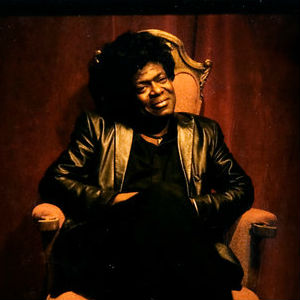
With
the release of his second album Victim of
Love modern soul icon CHARLES BRADLEY tells ANDY HAZEL about life, the
universe and how to look back without breaking down.
‘Oh
man, it was a beautiful feeling and God knows it’s way overdue because I’ve
been fighting for this opportunity for a long time and I have a lot I still
want to do,’ says Charles Bradley, not stopping for breath. Expounding on his
second album Victim of Love, the soul
singer whose explosive performance was a highlight of last year’s Golden Plains
is clearly overjoyed at having another record out. ‘Each album is just a
product of these experiences I have and a lot has happened to me,’ he explains.
A bigger understatement you’re unlikely to ever read.
His
trials and misfortunes are almost unprecedented in any living performer; an
unknown father, homeless from the age of 14, near death from an allergic
reaction to penicillin, the violent and graphic murder of his brother, two
counts of wrongful imprisonment…it’s the real deal. It’s also something that
Bradley is very willing to talk about, despite often being brought to tears. In
fact, few interviews or concerts don’t result in his breaking down, something
he confesses to doing when recording too.
Like
Jimmy Scott, Bradley is a performer who exudes the hope that sustains him.
‘Singing is to me a great joy and pain,’ he says in his rich expressive voice.
‘When it hurts, I go to the joy part, and when it’s joyous, I can go the pain
part. I’m learning that heartache and pain bring the lyrics out of me, and I’m
learning how to do it without breaking down now. I write all of the lyrics, and
even though they hurt, I’d rather be able to express myself a little more
deeply without trying to avoid the hard parts. This is what I’m learning about
myself now, about how to talk about my life and my experiences, which is so
hard.’
Victim of Love is, like his
2011 debut No Time for Dreaming an
astonishing collection of soul songs, and again features members of the
Daptones stable backing him with reflexive proficiency, always keeping
Bradley’s searing voice at the centre. “I’m very happy with how it sounds,’ he
explains. ‘There are some songs I really love on this record, Victim of Loving You, Love Bug Blues, Confusion; I can really get into them, get nasty with it,’ he
chuckles hollowly. ‘I love every moment of singing those.’
Working
with bandleader and co-writer Tom Brenneck may seem logical from an outsider
standpoint – Brenneck and other members of Daptone Records brought Sharon Jones
to international attention - but with a natural distrust of those who offer to
help a side-effect of Bradley’s years of rough living, their musical
partnership didn’t develop easily. ‘At first it was hard,’ he says slowly. ‘We
came from different backgrounds. He’s white middle class, he came from a loving
background, and he was trying to help me. I felt very bitter, and coming from
living in the hood, I did not know he was being real. I had to learn where he
was coming from. I was not use to races living and working together like that,’
he pauses. ‘Tom and I got really into writing and recording, into bringing my
soulfulness into the world as pure as it can be. That’s what people like to
hear. He chose the name too,’ he continues. ‘When he chose it everybody asked
me about it and I am the victim of love. It’s brought me low, it’s brought me
up again too, but I’ve never had one true love in my life.’
With
hopes to return to Australia later this year, his main love now, he says, is
people. ‘By travelling all over the world and meeting so many people, I’ve seen
that everybody wants the same thing; all they’re looking for is love and
understanding. And that’s what I found, it took a while, but it’s real now.’
Friday, March 22, 2013
Live Review: WAX WITCHES, STEP-PANTHER, FOAM
The Gasometer, 16/03/2013
Hell-bent on punishing those who didn't bring earplugs, tonight’s lineup wrestle punk from history and blast away its more polished proponents in a three-way match of guitar-driven intensity. Perth trio Foam know how to construct a fearsome riff and deliver it with unerring accuracy, particularly when playing tracks off their new EP Run Kon Koma; a coursing, fizzling howl of vitality and rage. Most of the set sounds (and looks) like underground Seattle shows in the late 80s, though with a far more static crowd. Between incredibly tight bursts of guttural punk, singer Joel Martin cracks decent jokes that seem to embarrass his bandmates, though their sense of humour rarely seems to (discernibly) break into their songs. The slower So Far So Good highlights Martin's American twang and closes a set that acts as a road map of sorts to an underground Perth.
Sydney's Step-Panther sneak on second despite being the big draw, and though less relentless, they're no less a ferocious unit. Launching their Dream Crusher EP they open with Nowhere and Never Again, singer Steve Bourke's vocals gleaning a tinge of reverb and his Danelectro shooting sparks as spiralling riffs and dexterous lead runs push up against the beat, urging the songs forward. Maybe Later is ridiculously catchy and makes it's easy to see why NME picked them as one of 2013's Bands to Watch (something you can be sure means absolutely nothing to the small but riotous crowd here). Bourke’s songs channel a very bright cataclysmic euphoric despondency and feature some truly inspired guitar work. Closing with the brilliant loathing of Zombi and its despondent chant of 'I hope this summer never ends', they’re one of the smartest bands to play dumb.
Wax Witches meanwhile don't play anything but fast, hard and as if nothing’s sacred. 'This is my friend Josh. He plays drums,’ says singer and guitarist Alex Wall. ‘We started this band two days ago,' he lies happily. Launching their Celebrity Beatings LP the duo pull Ramones count-ins, Black Flag riffs, Dead Kennedys sneers and a Pixies cover (Wave of Mutilation) - whatever it takes to make a killer show. Despite having a lot of fun expressing a snotty disregard for everything, the band have an almost Reatardian way with brevity, melody and knowing when the job's done. Seemingly still in early days (despite the band being Wall’s side-project from Bleeding Knees Club), they almost seem to be playing to each other at times, which doesn’t stop the small, vocal but self-conscious crowd draw closer to the stage and head-banging; 'you might be a small crowd but it doesn't mean you're any less of a crowd than any other crowd' Wall says in mock seriousness. Nightmares sounds like it could be a Germs cover, so masterful is its simplicity. Crashing cymbals, constant riffs and perpetual speed, Wax Witches bring levity to their heaviness, as songs like Gay Batman, Everytime I Try and Fuck Shit Up amply prove. So good, it was almost like the Arthouse in here tonight.
Live Review: THE MORNING NIGHT, THE STAFFORDS, HOUNDSTOOTH
The Cornish Arms, 15/03/13
Houndstooth, a local four-piece - tonight playing as a trio - do a nice line in emotive folk rock songs without distracting the punters too much from their drinking and chatting. Singer Penny Walker-Keefe's sweet, naive vocals match her guitar style well. Songs are penned with a fresh proficiency and boast an imaginative way with melodies; though their fleshing out seems perfunctory it’s hard to get a true impression with a quarter of the band absent. The lack of sensitivity shown by a very loud and trebly rhythm section doesn’t help either, their sound bouncing around the mostly empty room to little effect.
Tight, snappy, well rehearsed, enthusiastic, these are all words that accurately describe The Staffords’ performance tonight, and its not surprising that it goes down a treat with the gradually growing audience. As if transported from 1981, the band’s new wave power-pop sound is easy to love, and the talent on display impressive; few three-piece’s sound this solid. Mike Barnes and Phoebe Neilson’s harmonies are evocative and used in a refreshingly powerful way. If in times very in debt to The Jam their closing cover of Neil Young's Mr Soul goes down a storm and reminds you of other recent shows that may explain why punter numbers are lower than usual tonight.
Those that are here respond vocally to Jim Murray’s acute DJing selections that keep the infectious positivity high before the young Perth combo The Morning Night open with their devastating take on the Triffids’ Monkey on My Back. Singer Adrian Hoffman's charging performance helps the band make a resolute stab at owning this most sacred of sounds. The band's original material tends toward the less strident end of the rock spectrum but is no less powerful for it, thanks largely to Hoffman's vocals and commanding presence. Ensuing track Trees sees the whole band kicking into gear; Brendan Gaspari's atmospheric guitar work, bassist Michael Savage’s exploiting the power of a good bass riff and drummer Jesse Brown’s powerful yet imaginative timekeeping. Pulling out highlights from their Otis album, tracks like Taking Your Time and Love You Better prove they could easily be massive; they have the hooks, handsomness, work ethic, are prolific and have achieved a lot without hitting their mid-20s. With Ricky Maymi producing their new (and previous) album, his influence infuses A Ride With Violence; a feedback drenched BRMC-style headlong psych-pop charge, highly addictive and a worthy single from their forthcoming album. Continuing the close-your-set-with-a-cover tradition, the band finish with a gunning take on the Easybeats’ I'll Make You Happy, proving they’re going to be a band you’ll hear a lot more of before the year is out.
Live Review: GOLDEN PLAINS

Beneath a scorching sun and steady breeze, happy campers set up, hydrate, dehydrate and lounge in their campsites, as the amphitheatre begins to fill, and grass is turned to dust by thousands of tramping, dancing feet...
Money For Rope is an excellent choice for opening band. Sometimes reminiscent of the Stones, the Doors, the Clash and a dozen other not quite plagiarised sounds, it’s the occasional, faster songs like Ten Times that stand out and the band sound like the good time you want to have. The band’s harmonies really set them apart from other local rock combos, and they prove to be the first of many excellent programming choices Aunty Meredith offers.
Boasting a strangely smooth psych-soul sound, New Zealand’s Opossum follow and lure some of the curious forward, though most seem content admiring from afar, which is a shame, as the it seems the sun saps much of the energy not spent on opening the drinks account. Songs like Why Why and Girl are blazing blasts of Kiwi jangle with colon troubling bass, distant reverb-drenched drums, and floating vocals, an easy mix to love.
Not a skin disease but actually one of the world’s finest lyra players Adonis Xylouris (aka Psarandonis) is a fantastic left-turn from guitar-dominated bands Australian festivals do so well. Featuring the ever-watchable Jim White on drums, the trio’s set is striking for the musicians’ interplay, Xylouris beating the strings as often as bowing them, wielding the traditional Greek instrument like a Les Paul and looking like a cross between Gandalf and Gandhi, it’s a fantastic set.
One of the most anticipated acts and one of 2011’s buzz bands, Wild Nothing, blend indie pop and shoegaze and are a winner with those here who also went to Laneway. It’s perfect music for tired people, perhaps because the band themselves seem to be lackadaisical in their delivery and performance. Songs like Nocturne and the rousing, closing Summer Holiday gel beautifully, but overall their set is a disappointment from the quality of their recordings and the audience response is similarly muted.
Between sets last year’s Sunday speaker Barry Dickens reads his poignant, funny and pertinent poetry to a largely attendant crowd. His pithy treatises on our current personal, communal, political and generational states are an excellent substitute for mid-afternoon DJ sets and only serve to accentuate the bands either side of his appearances.
‘What the fuck are we doing here?’ asks No Zu’s Nicolaas Oogjes, and it’s a fair question for anyone who hasn’t seen the band before. Rhetorically, they dive into their set and pull out a series of percussion-lead post-punk jams that energise the amphitheatre like nothing else yet. The band’s rock solid rhythm section allow the copious echo effect and rich vocalisations from singer Daphne Shum to float effortlessly as the brash inflections wake the crowd up, move feet and win new fans.
With the ground full of the younger end of the demographic Golden Plains attracts, the sun less cruel and shadows stretching, the stage empties to just a chair, a guitar and a couple of small amps set side-stage. Moments later Kristian Matsson aka The Tallest Man on Earth leaps out, jumps enthusiastically and stares down the audience. This sort of wired performance is not let go of for his whole spellbinding set, and it divides much of the crowd. Songs like King of Spain, 1904, Criminals, Love is All and The Gardener get huge singalongs and the ensuing Wind and Walls the biggest showing of shoes for the festival, though these shoes are of a younger and far more stylish variety than tomorrow’s contenders earn. Mistaking the shoes for weapons, Matsson seems briefly confused before finishing his set with a cover of Graceland, accompanied by his wife fellow singer-songwriter Amanda Bergman. Regardless of your opinion, his guitar fingering skills and ability to pointlessly hurl a plectrum across a stage are intimidating.
Typically divisive and owner of the coveted sunset slot, Cat Power follows and spends several songs (Cherokee, You May Know Him) leading her band through snails-pace churning riffs, utilizing about 0.5% of their abilities and losing many of the curious. Her dour charisma and wounded voice is talismanic to much of the crowd but only grips attention when J Mascis joins for Metal Heart and closes her set with a disarming and brave stab at combining Boys Next Door’s Shivers with INXS’s Never Tear Us Apart; a strange and not entirely successful venture.
DAY TWO
The morning sun rises on a dusty encampment, soon populated by thousands of weary soldiers, sporting the festival armour of sweat, sunscreen, dust, hand sanitizer and sunnies, dragged out of messy tents by the promise of Bushwalking. An oddly awesome supergroup, the band open proceedings with calm assertion and killer riffs. Karl Scullin’s excoriating guitar sound, Nina Venerosa and Ela Stiles’ stellar harmonies and the dubwise gambits of their mixer make 10AM in Meredith feel like 4AM in Birmingham, though the patience of many a punter is tested by their My Disco-esque favour for simplicity and repetition.
Breaking for a brief chat with festival landowner and originator Jack Nolan, we learn of his son (and annual festival launcher) Chris’s love of farm-based parties and the organic growth the festival took. Like Dickens’ poetry the previous day, provides another chance to ponder what this festival is besides a series of usually excellent bands and offer an ear-resting pause while savouring breakfast.
A clear festival highlight for many is the ensuing set from Dick Diver, offering a sense of humour interlaced with their humbly-intended and unadorned paeans to Melbourne life. On the verge of dropping their second album Calendar Days (most of which we hear today), the audience don’t take long to get alongside, and songs like Water Damage, the brilliant Head Back and a rousing cover of Dragon’s Are You Old Enough earn more than a few boots aloft.
Coinciding with a merciful cloud cover and a cool change come Mulatu Astatke and the Black Jesus Experience. Billed as a 1960s Ethiopian pop pioneer backed by a local Afrobeat combo, what we get seems to be some incredibly proficient mellow jazz-fusion, which is nice but utterly forgettable. The crowd seem content to chill and observe as the smoothness oozes, until Astatke switches from vibraphone to congas and suddenly everything springs to life. Sounding joyously alive and boasting some vibrant rhythms and stellar vocals from the BJE, an expropriation of As We Enter from Damian Marley and Nas (who sampled Astatke) closes what turns out to be a riotous and fun set.
The highlight of the Sunday for many comes in the form of a local duo bent on recreating the most hellish end of 50s juke joints. Chris Russell’s Chicken Walk are essentially a community radio DJs dream; lovingly recreating the sound of a massive 50s and 60s record collection and doing it in a way that screams ‘I may not be from the Deep South, but I am as real as it gets’. If you can hear a white guy singing about picking cotton in the fields and NOT think of Ghost World’s Blueshammer you’re doing better than me, but whatever you think, they’re very good at what they do. Russell’s guitar heaves and crunches, Dean Muller’s drums crash and drive, and their song Bad Motherfucker cracks smiles across every face in the place earning a lot of boot salutes and new fans.
Unlike Redd Kross, who bring showmanship by the boatload, power pop crunch and big riffs but no memorable songs. Their harmonies are tight, riffs big and the guitar wails authentically, and despite several hyperactive fans, and a hundred odd nodding straw hats, the audience thins as their set progresses. Songs like It’s a Crazy Crazy World seem ill suited to the venue, and that their newest song was from 1992, speaks volumes.
The crowd size triples and the average age plummets as Toro y Moi assemble and unleash a brace of dense electro funk. Seemingly doing everything possible to fight against the term ‘chillwave’ Chazwick Bundick (aka both Toro and Moi) brings a forceful approach to playing that refuses to let the listener rest. Still as much about atmosphere as narrative, their mood pivots as the well rehearsed four-piece render the crowd a writhing mass of sweat-soaked jelly limbs.
Swapping the crowd yet again comes another shift in tone as riff behemoths The Mark of Cain ensure that anyone who was even a passing fan remains glued to the spot, head nodding or arms aloft. Separatist bludgeons us into submission or arrests us to attention; the trio barely moving a muscle (besides drummer John Stainier’s stand-in Eli Green) while issuing round after round of assaults. Milosevic, The Contender and Tell Me all rouse the faithful and repel the twee.
Maintaining the low-slung guitar and blinding riff aesthetic Jon Spencer Blues Explosion are as hot tipped as a band can be. A spluttered introduction of ‘we’ve come all the way from New York City to be with you people!’ before countless cries of ‘blues explosion!’ let you know no one else could be here. Eschewing a series of songs for an amalgam of riffs and hints of tracks both old and new, Spencer toys with expectations, and shoves his mic between his teeth as the band huddle to the front of the stage, plying riff after nonstop riff. Comparatively subdued compared to last year’s tour, new album Black Mold is heavier and most of its hooks make an appearance, sandwiched against Bellbottoms, Sweat and a dynamite Bag of Bones.
After ten years in the game and on the eve of the release of their first album the seventeen-strong Melbourne Ska Orchestra are a seasoned unit that goes down well with the crowd. Not attempting to blaze a trail, the good times they profess are easy to jig to, and just as easy to flee from, and a good many goers use their opportune timing to grab a meal from one of the many excellent providores the festival boasts. In addition to these, special mention must be made of the fluro-vested volunteers who do an excellent job of tidying, minding, assisting and manning and ensuring the festival is another raging success.
Sunday, March 17, 2013
Live Review: THE STONE ROSES, ZANE LOWE
Festival Hall, 07/03/2013
To a rapidly filling room, BBC Radio 1 DJ and mixmaster Zane Lowe acts like a shat Russell Brand, playing a song “for all the Stone Roses fans out there,” badgering our hands into the air and keeping the beats big and bass heavy. Lowe gives it everything he’s got, but the average age here tonight is a bit high for a whole-body response to his energetic cuts and hectoring. Lowe smacks the mixer, dances with the USB-decks and plays a mix of cold, strobe-lit electro and warm bubbly synth bass, but no matter who he is or what he’s doing, he can’t leave the stage soon enough.
With only a goldfish in a bowl to distract us from the wait, it seems an eternity before The Stone Roses stride out to a round of deafening roars and it’s a full minute before bassist Mani can ease into the intro of I Wanna Be Adored, the song itself nearly drowned out by the crowd singing along; even the guitar melodies are sung note for fleeting note. It takes about 15 minutes for Festival Hall to earn its more infernal nickname as the sweaty mass crush against the barrier and from seemingly nowhere (perhaps beamed in from a football terrace in Manchester, 1989), several hundred boisterous Englishmen claim the band and venue for their own, initiating a round of elbow thrusts alternating with shrugged shoulders and ‘not me mate!’ expressions.
Continuing with Mersey Paradise, the crowd noises ease to jet engine level and the skill of each band member becomes clearer. Mani never drops a note, John Squire’s deft ambling over his guitar neck, the brilliant, rock solid beats and fills of Reni and, drawing everyone’s attention, the loping, aping Ian Brown. Sounding unusually (Auto?)tuneful in a way that reminds more of their legendary eponymous album than any live recording you could Google, Brown is vibrant in crisp baggy jeans and his ‘monkey man’ vibe, his timeless cheekbones framing a frequent grin as he gestures and sneaks winks at audience members.
The stifling heat seems not to bother the goldfish, but everyone else is saturated in sweat. iPhone wallpaper pictures of kids are thrust aside as cameras are pushed into the air with predictable frequency. Sugar Spun Sister, Sally Cinnamon, Ten Storey Love Song andSomething’s Happening follow, each played with precision and passion. A stripped-down version of Fools Gold catches the band in a rawer state, but disappoints no one. A glorious take on Waterfall/Don’t Stop sees the crowd get riled up despite it being the gentlest song they play. Closing with a fringe-banging swagger of She Bangs The Drum and anthemic I Am The Resurrection, this is one return we never expected to see, and can be eternally grateful we did. As the band link arms, embrace and accept the rapturous adulation before disappearing, Brown shouts out ‘one love!’ and vanishes backstage while the crowd detach themselves from each other and peel off into warm night air, dazed and happy.
Live Review: DEEP PURPLE, JOURNEY
Rod Laver Arena, 01/03/2013
Phew! Technical proficiency hey? Not often you get to see a band
bursting into extended instrumental breaks in a packed and enthralled stadium,
but then it’s not often you see a lineup like this. Journey’s early set (nothing says ‘old men at work’ like a 7:15PM
start), is packed with spiraling lights, colossal riffs and massive drum fills from
the opening blast of Separate Ways,
and there’s no let up. Boasting just one original member, guitarist Neil Schon
(who is far more taken with noodling around on the pentatonic scale than
actually playing a song), it’s the vibrant enthusiasm of singer Arnel Pineda,
the Philippine living every Idol contestant’s dream who earns attention. Though
the suggestion that Steve Perry’s iconic vocals were outsourced belittles the
talent and energy the incredibly youthful Pineda brings, recent quote from
keyboardist Jonathan Cain describing him as ‘the future for our franchise’
speaks volumes as loud as Deen Castronovo’s kick drum. Every sound is gigantic;
every cymbal kept swinging, every available plectrum flung into the crowd, every
song boasting a Superbowl guitar solo. Any
Way You Want It, Forever Yours, One Love and Wheel in the Sky are all epic, but none touch the crowd response
to THAT song. Don’t Stop Believin’ is
everything the crowd want and before the opening riff finishes, the arena is
lit by phones and the opening lines sung as one.
Against a smaller, less illuminated backdrop, the titans of heavy metal
launch into the sprawling behemoth of Fireball,
all caterwauling organ solos, thudding bass and Ian Gillan’s screeched vocals,
a man who looks in urgent need of laxatives. Easing into Hard Lovin’ Man then Maybe
I’m a Leo, guitarist Steve Morse proves himself a fiery replacement for
Richie Blackmore, his fluid lead lines fully validating Australian Guitarist
Magazine’s investment in the tour. Morse's solos – and there are a lot of them - are so compressed and busy
that they stand at odds with the big valve crunch of Blackmore and the 'sound'
of early Deep Purple, but they're a different band now. Whether that's the band
the punter is paying for is another question, but Gillan’s vocals suggest
enough to keep the audience spellbound and the entertainment level never drops.
Deep Purple is one of the few bands that will give you a five-minute
drum solo in a stadium. No One Came
boasts an organ solo that sees the rotating Leslie speakers nearly taking off
with the intensity of Don Airey's playing. Displays of technical virtuosity
lead us into Perfect Strangers and Space Truckin’ both of which bring the
audience to their feet, fists in the air, but fists become phones for Smoke on the Water. Howled back for an
encore of their first big hit Hush
the band leave us with a titanic, skull-rattling version of Black Night ending our short trip back
to the days when being a musician meant being able to play an instrument well;
no bad thing at all.
Live Review: THE WEDDING PRESENT
Northcote Social Club,27/02/13
Unlike last night's sold
out sauna of a show, this, the second of two concerts Leeds' finest are
treating us to, has a loose, friendly and intimate feel from the moment the
band step on stage. Tonight sees them run through The Hit Parade, a compilation of their Guinness Book of World
Records-listed collection of singles (twelve charting singles in twelve
months). The nearly full room is populated mainly by men who bought The Hit Parade when its songs were still
A and B-sides, all of whom are in the throes of excited adoration from the
spectacular sour emphatic jangling of opener Yeah Yeah Yeah Yeah Yeah.
David Gedge, the man who
essentially is The Wedding Present,
is as comfortable warmly chatting as he is dispatching acerbic barbs. He pulls
out the 'it’s so nice to be back, it seems like only yesterday' gag, which is
no less funny for being obvious. This sense of humour fuels Wedding Present
classics that get an airing tonight, like Everyone
Thinks He Looks Daft, Spider Man on
Hollywood and My Favourite Dress,
still doubling as an incendiary slice of futile malice despite now being
rendered despondently rather than with the vitriol that fuelled its 1987
release. A blistering, face-reddening take of Kennedy follows and the audience are borne along on his careering,
slashing chords and the tight deftness of his backing band. Guitarist Geoff
Maddock of Kiwi bands Bressa Creeting Cake and Goldenhorse is responsible for the
emphatic riffs and works fantastically with Gedge to recreate the harsh,
unaffected jangle that the Wedding Present made their own. After the fantastic Mystery Date, we’re lead via Come Play With Me and California – further exercises in pithy
economy – into The Hit Parade section of the show.
By now amp valves and vocal
cords are warmed up and the guitars' satisfying crunch and Gedge’s bolshy
utterances give the songs extra drive, and the set flows from high point to
high point, despite a frequent breaking of guitar strings. 'There’s a nostalgic
aspect to George Best. It clouds your
vision. These are better songs. It's better tonight,' Gedge says to affirming
cheers. The slippery melodies of Sticky
and heavy riffs of Love Slave ensue.
‘We don’t do encores. It’s nothing personal,’ Gedge tells us before issuing the
closing salvo of No Christmas and Deer in the Headlights with abandon;
every rhythmic, hunched nod from Gedge sending a shotglass worth of sweat
flying off to the floor.
Wednesday, March 6, 2013
Live Review: LOWTIDE, MONTERO
The
Toff in Town, 26/02/2013
Looking around this sparsely populated room makes the
present writer want to kick Melbourne in the balls. With people exploding their
brains trying to find ways to describe My Bloody Valentine's newest opus, and paying $100 to see their show, that Lowtide,
one of the finest shoegaze bands on the planet, can barely attract fifty people
at the end of a poorly attended residency is unfathomable. Sure it's a Tuesday and
yes they’re not as well known (or known for making themselves known), but this
is a band, it only takes seconds to realize, who know exactly what they’re
doing.
Preferring to let foreign bloggers wax lyrical than
court attention, the band turn in a flooring effort tonight and preview most of
their forthcoming debut album. This will of course, be completely brilliant,
promoted by Lewis mumbling through his copious fringe about obscure effects
units and sell about ten copies, of which I'll own two, none of which will stop
it being a shining example of timeless genius. Singers Giles Simon and Lucy
Buckeridge have never sounded stronger than tonight, and confidence and power
is the overwhelming theme of their music. No longer slow and languid, many
songs (such as Hey Rose and Blue Movie) are gut-lifting, headlong
rushes into somewhere beautiful, full of volume and certain of intent; like
clinging to a bullet train. With a spinning mirrorball above, spotlights
trained on the ceiling, and dry ice thickening the air, the delicate textures
and twining harmonies of Whale and Spring emphatically build and release,
while the older Underneath Tonight and
No Horizon close the set with loose
majesty.
Making this one of the best shows in months is the
opening set from another band due to release a blinder of an album, Montero. Whether it’s the quality of
the PA or a good mood, singer Bjenny Montero's voice sounds richer and more
expressive than ever. A tender, careful placement of words and space during the
quieter sections seems to give the songs an epic quality that the music emphasises
once it arrives. The band’s tight fury and Montero’s expressive vocals show yet
another reason why they're going to own this town once the album drops. Out
there doing their own thing, this dynamite collection of talent have a deft way
with the 70s schmaltz that few could deny. As Bjenny himself says, signing off:
'awesome, awesome times'.
Saturday, March 2, 2013
MUSIC FOR MAINLANDERS: An interview with THE STICKMEN
 |
| The Stickmen play ATP Melbourne. Photo by Andy Hazel |
From 1997-1999, one band ruled Hobart,
released two adored albums and vanished. ANDY HAZEL catches up with Ianto Kelly, drummer for recent ATP highlight and reformed
legends THE
STICKMEN.
“When The Drones got the job to curate ATP,
[drummer] Mike [Noga] wanted to have a Tassie connection, and he particularly
wanted us there,” explains sticks-man for the Stickmen, Ianto Kelly one quarter
of the four-piece. “He asked very nicely which I thought was funny: ‘It would be a real honour and a
privilege if you could consider this offer…’” he laughs.
Thrust into the vault of ‘you should’ve
been there’ experiences, a Stickmen gig was something witnesses will attest to as
being very special. With their four members long-since split between four different
cities, any chance for a reformation would similarly have to be under very
special circumstances. “Having ATP and the Drones behind you is a bit of clout,”
says Kelly. “That’s the ATP thing; it’s someone saying ‘this is a band that
influenced me, this is a band that contributed to me making the music I do’. It’s
not like someone saying ‘we’re booking a show, we’ll make it worth your while’.
Mike had been playing Stickmen to the other members of the Drones for years, so
the whole band got behind it.”
With all four members continuing to play in
other bands (Kelly now plays with The Spinning Rooms), he admits rehearsals
were fuelled by adrenaline. “There is a bit of pressure. We were nervous until
we started playing, then it just sounded like the Stickmen having fun. Our
first rehearsal wasn’t as shabby as we thought it would be, and we’re very
relaxed about it now, especially compared to how we were feeling before,” he
says laughing. “It’s all round rad. Playing is going to be crazy.”
Of their more relaxed (and cheaper) sideshow
at the Tote, Kelly explains that this is being considered a very different show.
“We’re writing up two sets, we’re saving the faster, more dynamic stuff for the
Tote. Aldous brought some ideas to rehearsal, we added to it and we really
quickly wrote a new song,” he says before expanding on the band’s remarkably
fluid creative process. “Aldous was always moving on and changing things, never
resting on his laurels, he always wanted to keep moving things forward. We used
to play songs that people knew by starting at half speed or double speed,
changing the way we’d go into and out of them, finding ways to keep it
interesting.”
The band’s long lost albums - 1997’s The Stickmen and 1999’s Man Made Stars - were mined for the 2008
compilation Who Said it Should Be Good?.
Released by Tom Lyngcoln’s (Harmony, The Nation Blue) label Solar/Sonar, the
album added to the few press retrospectives and the enduring copying and
spreading of the music, all contributing to a groundswell of curiosity that surprises
the band, as Kelly explains. “A big part of that is that we didn’t hang around
too long or get boring and start repeating ourselves. There’s a bit of mystique
because we never came to the mainland too. Tom Lyngcoln and Mike Noga have largely
been responsible for keeping our name alive, that Mess and Noise article too,”
he says referring to Troy D. Colvin’s Hunting…The
Stickmen. “That Best Of was a labour of love for Tom, he certainly made no
money out of it.”
With a lot of listeners and reviewers
struggling to describe their uniquely simple hybrid of surf, psych rock and
primitive turntablism, Kelly is reflexive. “I think the two albums stand up
really well, but I can’t really tell if it’s all the things people say it is.
I’m too close to it. I wonder if people will think ‘that’s the sound of Hobart
in the 90s’ or whether it could have been made now or 40 years ago, which it
kind of could be.”
Excitingly, this reunion may not be ending
at the Tote. New material has been written and technology, burgeoning when the
band split, now allows them to continue despite geography. “It’s not an
official reunion as such,” he clarifies. “But who knows?”
Live Review: FEELINGS, MILK TEDDY, DUMB BLONDE
The Workers Club, 15/02/13
Despite starting nearly an hour later than advertised, there are still
more people on stage than the audience by the time Dumb Blonde kick off their idiosyncratic set. Actually Sydney’s Kite
Club playing a secret gig, Dumb Blonde are immediately arresting for a number
of reasons. Opening song I'm Aligned
bursts into light, full of jangling, stinging guitars, a surging rhythm section
and above the galvanising falsetto of guitarist, singer and really very smart
blonde Nicholas Futcher. The band's deft way with melodies is roughly balanced
by an almost aggressive power pop, though they look more in thrall to the
Stones than Big Star (who they, at times, suggest). Futcher's keening wail
draws lingering punters who thinly populate the room. Sounding as if Jonsi was
raised in Geelong and fronting XTC, his sometimes-wayward vocal reach is
affecting rather than atonal. Climbing
and Hold On Me are crackling pieces
of 80s pop. Closing song My Love
suddenly fills the room with dancing couples, and underlines what a revelation
they are.
Milk Teddy, another five-piece making resolutely 80s-infused guitar pop, is on
equally top form. Curious, twisting guitar melodies anchor their breezy, shouty
pop, giving them an intriguingly forceful energy with any sense of seriousness countered
by hilarious internal banter. Singer Thomas Mendelovits' voice sounds as though
it’s battling isolation with every stretching lyric and hollow echoed vocal, verses
coming between breaks of spiraling guitars and light brisk beats; it’s a
strangely dour instrument. The final songs XTC
and Sparks – reminiscent of British band Arctic Circle - are fine
encapsulations of this contrast. Mendelovits' charm and the musicianship of the
instrument-swapping members fuel their take on low-fi pop, making it a cut
above.
From the ashes of Philadelphia Grand Jury, bassist and vocalist Simon
Berckelman's latest incarnation, Feelings
have a tight line in stripped back pop punk. Bracing, but almost too sparse at
times, the songs lack guts despite being full of momentum. Berckelman's
charisma almost lets them get away with it, but far too many songs sound a lot,
but not exactly like, songs you know. City
Hall rips off its melody from Summer Cats wholesale, and Going to The Casino Tomorrow Night and
I Want to Chill But I Can't Relax are,
like many of their songs, little more than some decent riffs, underused
musicianship, and an unexplored repeated title. Between-song chat is a
triggered sample of pre-recorded talking which is a wry trick, but too often
the golem of tedious pub rock lumbers through their sets. This, however,
doesn't stop the gig from being a joyous event with a now-packed room fuelling
the fire. The hot-stepping disco of Don't
Be Mean to Me underlines this overt energy and positivity but also the
songs’ inherent emptiness. Simplicity and shallowness can be a virtue in
some people's hands, but not these, or not yet. Granted, they're not aiming for
anything higher than ‘good times’, so in that sense the show is a success, but
they could be so much more.
Sunday, February 24, 2013
TWO FOR THE ROAD: An interview with Tim Finn

“Well,
just because I was asked really,” explains Tim Finn, hesitantly, when asked
what is bringing him to Australia. With 2011’s The View is Worth the Climb album and several New Zealand-based projects
worked on in 2012, Finn is relishing the opportunity to play live free from the
‘record-release-promote’ circle. “There is something about doing a show in a
beautiful space that’s really rewarding,” he says of the forthcoming shows and his
extensive experience playing live with Crowded House. “We played outdoor shows
like the Victorian Bushfire show and the Wave Relief tsunami appeal, Sydney
Opera House - we’ve done all sorts of big things, but I’ll happily play to a
hundred people, and I often do here in New Zealand. Sometimes those shows are the
best ones.”
Veteran
of massively successful 1970s-80s band Split Enz, sometime member of 1980-90s
band Crowded House and more recently part of short-lived bands ALT and The Finn
Brothers, Tim Finn is the handsome, affable, relaxed, intelligent troubadour
you’d love to have as an uncle; the George Clooney of the Australasian music
industry if you will. Fresh from releasing his fourth solo album, he has no
qualms about playing a set full of classics, quite divorced from the music he’s
making at the moment “I had an anthology released a few years ago, and I toured
Australia and New Zealand, and played every song that people would recognise
and it was great. When I play festivals, the songs I play tend to be the hits.”
This separation between performer and composer is something he sits comfortably
with. “When I perform, I’m interested in what’s the best thing for this crowd
and how can we feel great and feel that uplift. But as soon as I leave the
stage I’m wondering about this song that I’m working on and back in the world
of writing again.”
It
is in this world that Finn is happiest; working at his own pace, free of the
pressure familiar to so many signed bands. “It just goes on, the song-writing
part of it is endlessly fascinating, challenging and rewarding,” he says
breezily. “I still love writing songs, though in a band it’s like all-for-one-and-one-for-all,
every band wants to feel they’re connected to the other bands who have inspired
them and achieve greatness for themselves. Now, my motivation is the pure
aesthetic pursuit of a great song. When I go on stage it’s more what can I do
for the crowd as people, maybe get them through a bad time and make them feel
great for a while.”
Renown
for his deft way with a pop song, Finn has written or co-written such classics
as Weather With You, Fraction Too Much
Friction, I Got You, Six Months in a Leaky Boat and the ode to Melbourne Four Seasons in One Day. “There is a
fair bit of music that goes unrecorded,” he says of the process he works to
these days. “Some demos are really good and better than the finished thing,
other things come together in surprising ways in the studio.” His love for
collaboration is something that has coloured his work in the past. From the supergroup
of sorts ALT (with Irish songwriter Andy White and Hothouse Flowers’ front-man
Liam Ó Maonlai) via Peter Gabriel on Gabriel’s Big Blue Ball album to his more recent works on his own album The Conversation, Finn’s selection
process is constantly surprising. “Sometimes I’ll consciously seek someone out,
sometimes it’s by chance,” he explains. “I like the idea of keeping it small
and doing more than one thing with the collaborator rather than finding new
people, but a lot of the collaborations I have are quite random.”
One less
random is his on-again-off-again work with sibling and founder of Crowded House
Neil Finn. “Neil and I are brothers and we have family things that go on,” Finn
says considering his words carefully. “But when we work together it’s quite…formal. We go into a
project in a structured way we don’t…share music. That sort of approach seems
to work better for us; pulling a project together in a more defined
environment. We have no plans to work together at the moment,” he says,
anticipating my next question.
Since
leaving Crowded House, Finn has released a string of acclaimed solo albums, all
hits in his native New Zealand and examples of a writer finding no shortage of
inspiration. “The last twelve years I’ve made four albums and really liked them
all. I feel there’s a consistency of quality that is as good as anything I’ve
ever done. The songs still trickle along and people come to them in their own
time. Maybe one day people will rediscover them in a major way, I can’t ever
predict what is going to happen. I’m still inspired and love what I do, but I
don’t depend on commercial success.”
Success
of a more personal and unexpected form has come to Finn through his time as a
songwriter. “Music is great for healing and helping,” he explains. “I’ve had
letters and comments over the years with people who have been open and honest
about the way my songs have helped them. I suffered from anxiety attacks
myself, and I wrote the [Split Enz] song Dirty
Creature about that, which helped enormously. Other people have interpreted
Dirty Creature as being about
depression, something I’ve never suffered from. People say that it’s helped
them and that’s an amazing feeling for a songwriter. I don’t think music has a
public health service or responsibility - I think it’s better when music is
free of any governmental or bureaucratic influence - but music is very
important to people as years go by, and in ways you can’t predict. I realise
that more and more as I get older and I never forget that.”
Whatever
personal connection people bring to Finn’s songs, it’s clear that there are a
lot of people with a lot of long-standing connections to his music, despite
changes in the way people access it. “Record sales are not what they used to be
and it’s so hard to compete for crowds these days,” he says, sounding tired. “I
don’t go out with any huge expectations, but I did the Falls Festivals last
summer and when I played songs like Six
Month In A Leaky Boat or I See Red,
they acted in the same excited way they did thirty years ago. There’s
recognition there but it means something different now. It’s weird and I love
it, but I never take that for granted.”
Tuesday, February 19, 2013
THE BREAKDOWN ON BREAKUP SONG, an interview with Greg Saunier of DEERHOOF

On the eve of the promotional tour for their 12th
album Breakup Song,
DEERHOOF drummer Greg Saunier defines a Jingletron and
explains his joy at never having had a hit.
Though he may
be in town promoting his band’s latest album, Deerhoof drummer Greg Saunier can’t
actually listen to it. “When you listen to nothing else for three months
straight, trying to make sure that the snare is the right volume every time
it’s hit and having scrutinised it to such an absurd degree, it’s hard to know
what it sounds like,’ he laughs in a typically verbose and chuckle-laden
outburst. ‘You have to wait for the dust to settle and get away from the chaos
of making something and obsessing over it completely.”
Saunier and
his bandmates have created what is possibly the most danceable album of
Deerhoof’s lengthy career. With highlights that include the critically lauded LP
Friend Opportunity, Sufjan Steven’s
favourite album of all time The Runners
Four, and their previous, tropicalia-influenced release Deerhoof vs Evil, Deerhoof have made a trademark
of gleeful unpredictability. “Obviously, the danger of repeating yourself
happens all the time with bands “he says carefully,” but it doesn’t happen with
us. A band that has a big hit gets stuck in a trap; the fans want to hear the song
and when it comes time for another record to get made, there is a machine that
pushes them to make a record like that last one. If you do that you know you’re
screwing yourself, you’re shooting the respect of your fans in the foot by
becoming more conservative with your musical choices. In our case, there is no hit,
no sound or melody or style so we’ve never been under any pressure to repeat
ourselves. Our only pressure is to do new surprising things, unexpected things,
something people wouldn’t expect you to do, something we wouldn’t expect
ourselves to do,” he chuckles. “We have four songwriters in the band and, if
anything, we’ve got more daring over the years. When we started the band we
were more…grunge,” he says laughing loudly. “We were a heavy, noisy, rock band
and we’d never have the nerve to say ‘I’ve got this orchestral ballad’, or ‘I’ve
got this reggae song’, whereas now it feels like there’s almost a dare between
the band and the audience to see what we can pull off.”
This freedom is
something possible to embrace by every band starting out, but few other bands twelve
albums, ten EPs and nineteen years into their career can boast of it. “We
rarely think of adopting another musical genre, only in the vaguest terms,” he
continues, “Breakup Song is more danceable,
and dance music is the most vague genre you can think of. Yes we do have ideas
of what we might want to do next, but when you’re first brainstorming and
dreaming of these things you’re rarely thinking which section of the record
store you want to colonise next. Its more about a way you want to feel when
you’re making a song or a way you’d like to feel with an audience when you’re on
stage playing. With Breakup Song, we’re
more concerned with ‘does it feel fun, does it feel energetic, is it flirty,
does it feel sassy or sociable?’”
Deerhoof have
done everything from ‘become’ The Rolling Stones in an updated version of Sympathy For The Devil, been invited by
David Bowie to play at his Highline Festival, toured with Radiohead, composed a
soundtrack for Justin Theroux’s film Dedication
and become part of The Plastic Ono Band. Despite these brushes with fame, they
are, essentially, four people painstakingly constructing meticulously written
and tightly played songs over laptops, something Saunier feels is reflected on
the cover of Breakup Song, a picture
of a garbage truck.
“The cover
photo was something [singer] Satomi [Matsuzaki] took on her telephone really
late coming home from a mixing session. It was 3AM and there was a garbage
truck in front of her house. At the time we were trying to finish the record - all
four of us were working nonstop - somebody was at the computer trying to come
up with a mix, improve a melody or add some overdub to something. We had been
talking a lot about an idea we had called a Jingletron, which is a music party
machine that has lights and makes a lot of noise, if you set it up it would
make an instant party,” he guffaws loudly. “In her delirium she thought this was
a Jingletron; under the truck a bunch of people were having a huge dance party
and this truck managed to bring that and it would secretly move around town and
cause these instant parties to erupt wherever it went,” Saunier says rendering
himself speechless with laughter. Along with an example of a Jingletron, the
band’s website features a half hour video made to accompany Breakup Song in which Matsuzaki and
Saunier are seen chasing garbage trucks around Brooklyn. “Garbage trucks aren’t
the most notable things in life,” he says calming, “but after we put it on the
cover and made the video now every time I see one it’s exciting. I’m like ‘check
the lights on that one! It’s a bit red but orange too, it’s twinkling! It’s like some magic character has been brought to
life or something’.
Live, this
manic energy and constant inventiveness fuels the Deerhoof show, and,
naturally, not every audience can keep up, something that doesn’t bother
Saunier. ”The audience might have wildly different reactions at the same time, not
just: ‘I liked it’ and ‘I didn’t like it’,” he says, warming to the subject. “We
have devoted fans who come to every show they can, and we some extreme haters.
Often amongst those fans, people like it for totally different reasons. Some
people like to dance or shout and sing along, other times people are getting
very quiet and listening intently to every detail like we’re classical music.
Some people like the noise and the intensity of it and other people think it’s
cute and they like how melodic it is; they find it very sweet. Other people
find it violent. I find the people who detest it the most come to love us
later. I’ve had that reaction to music many times myself, “he explains,
describing the sense of adventure that fuels their seemingly never-ending
output and the openness that many of their fans bring to their shows. “It’s the
process of figuring out why to like it or how to like, and this makes you like
it more; you have to fight for it and I like this process a lot.” Game on.
Subscribe to:
Posts (Atom)